PhD Mission Statement
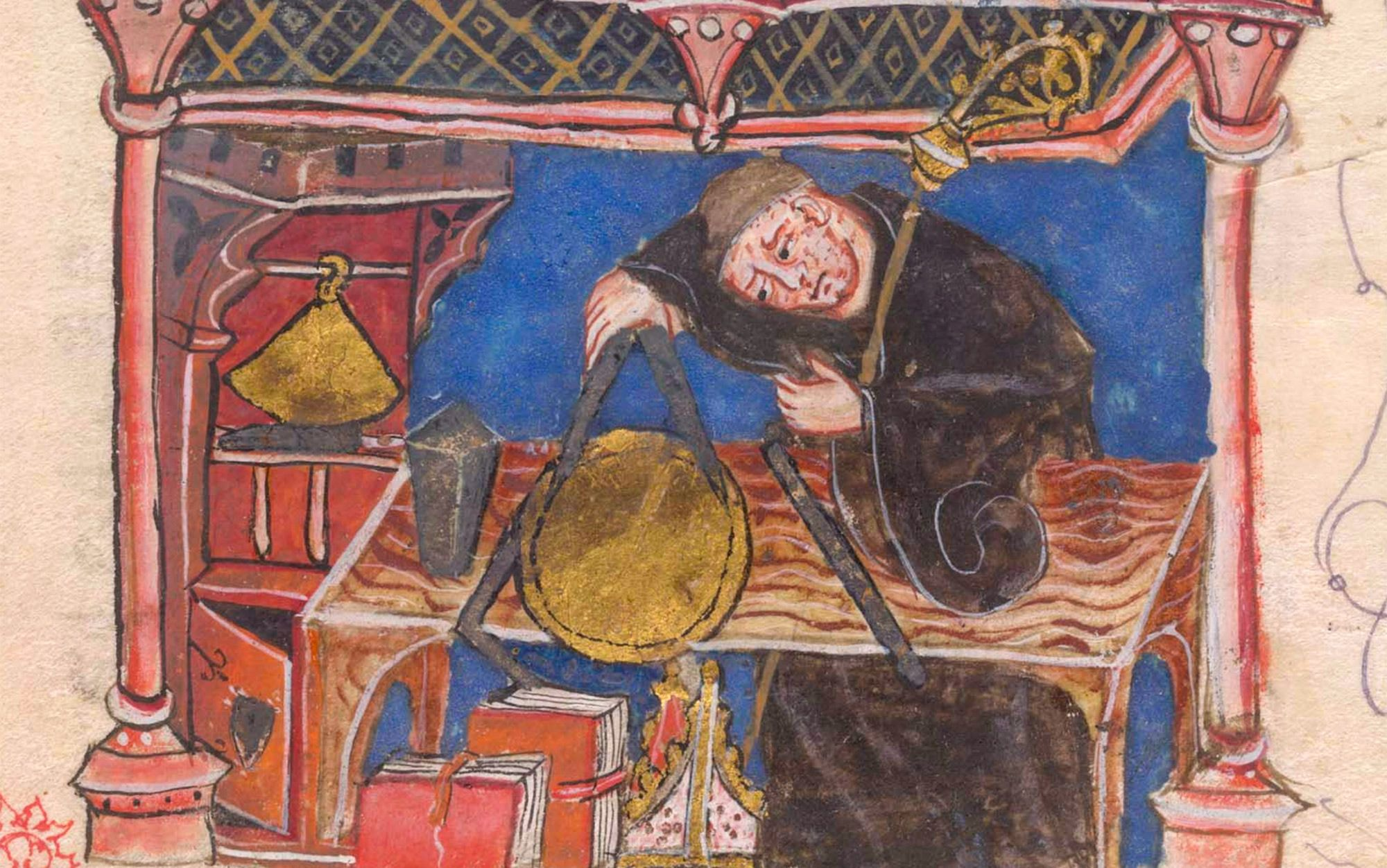
I am pursuing a PhD in Industrial Engineering with a focus on implementing sophisticated planning algorithms for robotics in manufacturing environments. I have chosen to pursue the PhD because I am interested in advancing the specific intersection of robotics and manufacturing to enable customized manufacturing, which I believe is the future of manufacturing and will enable people to purchase products that can be beautifully designed and customized to their needs. My career goal is to develop and implement advanced planning algorithms and then apply them to real-world manufacturing problems through the establishment of a consulting business that specializes in enabling customized manufacturing solutions. My key motivation is the love of the impact that these algorithms can have on the manufacturing industry, enabling people and communities to easily purchase beautiful products that would normally be available to rich people. One of the reasons that sustains me to pursue this goal is the possibility that this technology can be used to make churches more beautiful at a reasonable cost, thereby returning to the tradition of beautiful churches that have been lost in the modern era.
I expect my outputs to include a PhD thesis, scholarly publications in top-tier journals, and collaborations with industry-partners who are also interested in applying this idea to their manufacturing processes. I hope to create implement these algorithms into robots that can enable customized manufacturing solutions in 2-3 types of manufacturing processes such as milling, assembly, stitching, painting, textile cutting, and object manipulation. I specifically want to focus on the manufacturing of customized furniture, clothing, and church objects such as altars, pews, and other items that can be made more beautiful through the use of advanced planning algorithms. I want to create a turnkey solution that can take a customer’s design input and then generate a plan for the robot to execute, resulting in a customized product that meets the customer’s specifications. I hope to achieve this turnkey solution by implementing the following algorithms: task planning, motion planning, and optimization algorithms that can handle the complexities of customized manufacturing. As part of the prototype, I will develop a user-friendly interface that allows customers to easily input their design specifications and receive a customized product.
I plan to achieve these aims within the standard 3-4 year timeframe for a PhD. I will break down my work into 3-month planning chunks, with the first chunk focused on completing a comprehensive literature review and identifying key research gaps in the intersection of robotics and manufacturing. Subsequent chunks will focus on developing and testing algorithms, collaborating with industry partners, and writing up my findings. I will aim to submit my thesis by the end of the 3rd year, allowing for additional time in the 4th year for revisions and final preparations. Throughout this process, I will also seek opportunities to present my work at conferences and publish in scholarly journals to build my professional network and contribute to the field.
- I will take the time the start of my PhD in Fall 2025 to focus on identifying all the planning algorithms available and identify the capabilities and constraints of each algorithm.
- I will take classes to prepare for my qualifier exam in Summer 2026 by taking ISE 517 and ISE 718 which will enable me to have enough background to answer the additive manufacturing and micro/nano-manufacturing questions. I will go over my notes and speak with Dr. Livingston on how to prepare for the automation question.
- By the time I take the qualifier exam, I want to have an MVP of my research objective statement. The current MVP is to use AI Planning to get a robot to place lego blocks on a 2D grid to construct some image provided by the user. The AI Planner will figure out how to construct the image based on simple actions that it is programmed to do. I will use some AI planning technique to implement this MVP and then iterate on it based on feedback from Dr. Livingston and other experts in the field.
- I will have a basic workflow that includes the following steps:
- User inputs an image or design specification.
- AI Planner generates a plan for the robot to execute.
- Robot executes the plan to create the customized product.
- Feedback loop for improvements based on user satisfaction and performance metrics.
- I will create a report that explains how the MVP works, the algorithms used, and the results obtained. The report will provide a baseline for understanding the direction of my research and how it can be applied to real-world manufacturing problems.
- I will have a basic workflow that includes the following steps:
- I will have read the Acting, Planning, and Learning book by the time I take the qualifier exam so that I can have a good understanding of the field of AI Planning.
- In order to understand the field of AI Planning, I will read the following
Enjoy Reading This Article?
Here are some more articles you might like to read next:
- Trying to start a new habit
- Welcome to Jekyll!
- Intro to the Modern Python Development Environment
- A Catholic History of Robotics
- Why Mary?
- Holy Spirit Talk
- a post with jupyter notebook
- یک نوشتهٔ راستچین
- a distill-style blog post
- a post with marimo snippets